

Nginx简单使用
创始人
2024-02-24 14:25:08
安装龙蜥操作系统
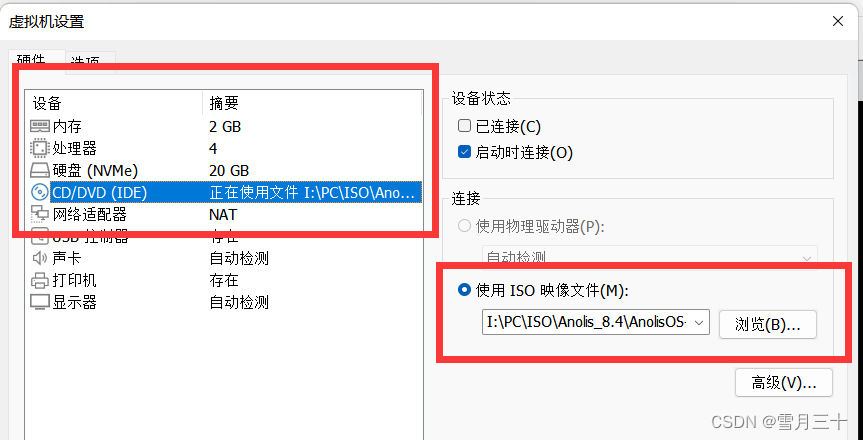
镜像文件在这里下载就行 下载之后新建虚拟机 ISO选择刚才下载文件即可
具体配置可以照我来 也可自定义
基本工具安装
安装一下最基本的网络工具
yum install net-tools openssh-server wget tar make vim -y
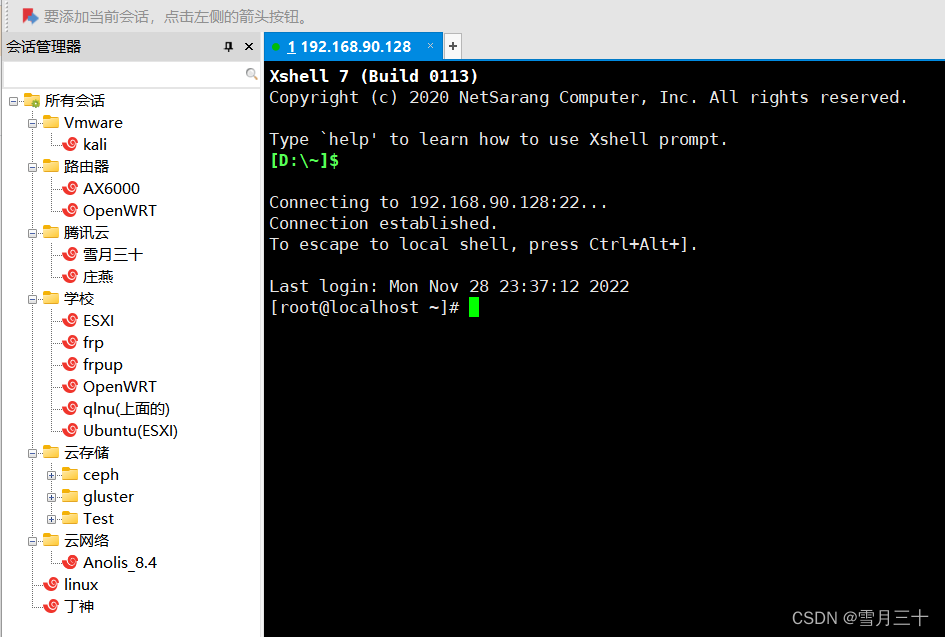
测试一下ssh连接 方便后期操作
![[图片]](/uploadfile/202402/f5ba3c494e32276.png)
修改主机名
[root@localhost ~]# hostnamectl set-hostname Anneliese   #Anneliese为你想要改成的主机名
[root@localhost ~]# bash
[root@Anneliese ~]#
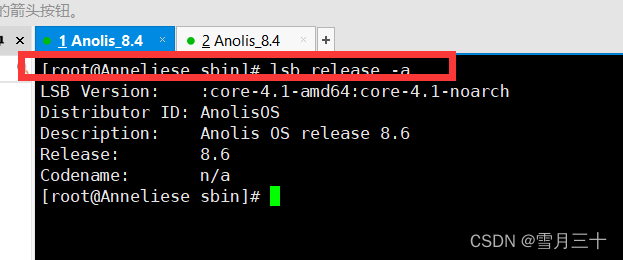
查看系统版本
lsb_release -a
Nginx依赖安装
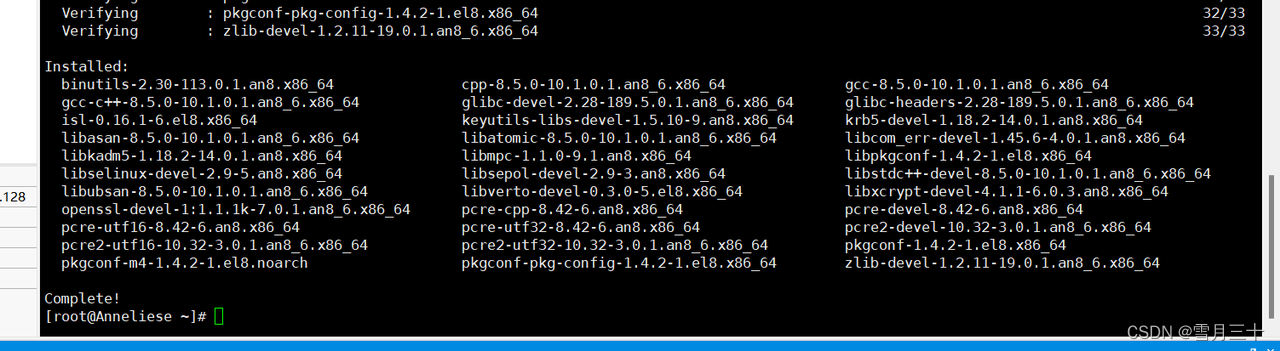
1.先安装gcc-c++编译器
yum install gcc-c++ -y
yum install -y openssl openssl-devel
2.再安装pcre包
yum install -y pcre pcre-devel
3.再安装zlib包
yum install -y zlib zlib-devel
Nginx安装
创建目录
在/usr/local/下创建文件nginx文件
mkdir /usr/local/nginx
cd  /usr/local/nginx
下载资源
在网上下nginx包上传至Linux 点这里选择一个版本下载
wget https://nginx.org/download/nginx-1.23.2.tar.gz
解压
解压并进入nginx目录
tar -zxvf nginx-1.23.2.tar.gz
cd nginx-1.23.2
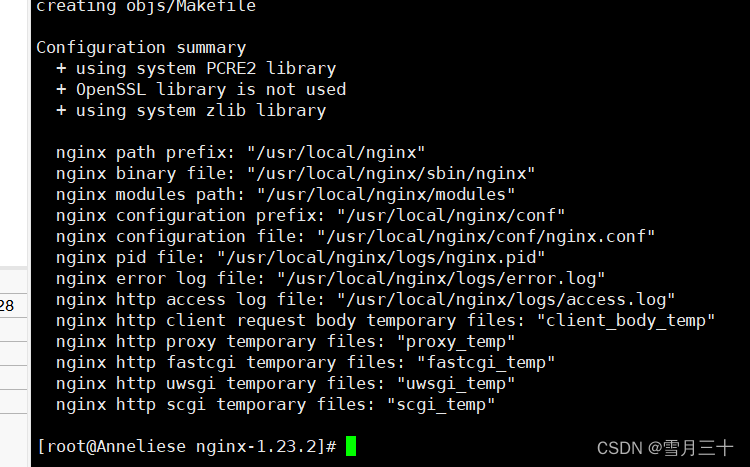
配置
使用nginx默认配置
./configure
安装
编译安装
make
make install
查看安装路径
查找安装路径
whereis nginx
运行nginx
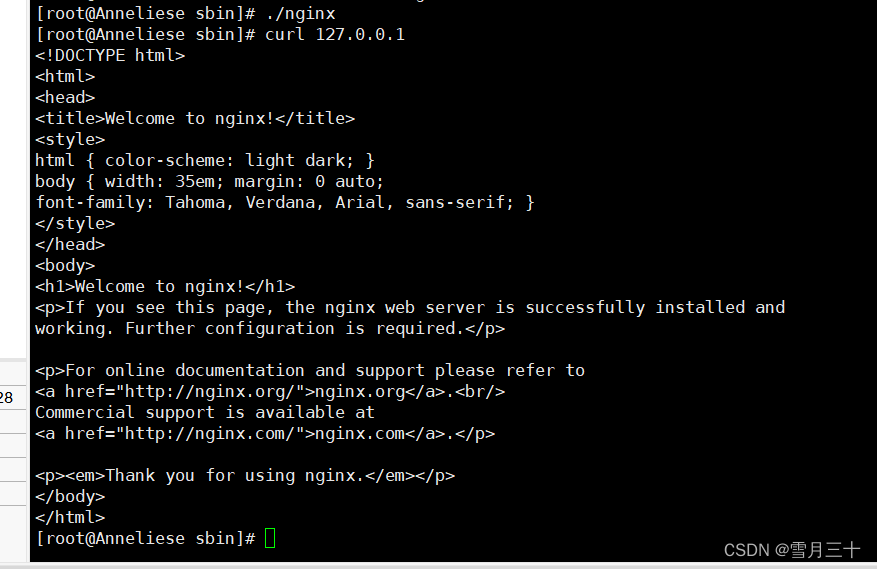
进入sbin目录,可以看到有一个可执行文件nginx,直接./nginx执行就OK了。
cd /usr/local/nginx/sbin
./nginx   #重启命令
关闭nginx
./nginx -s quit 或者 ./nginx -s stop
重载nginx
./nginx -s reload
查看是否启动成功
ps -ef | grep nginx
访问页面
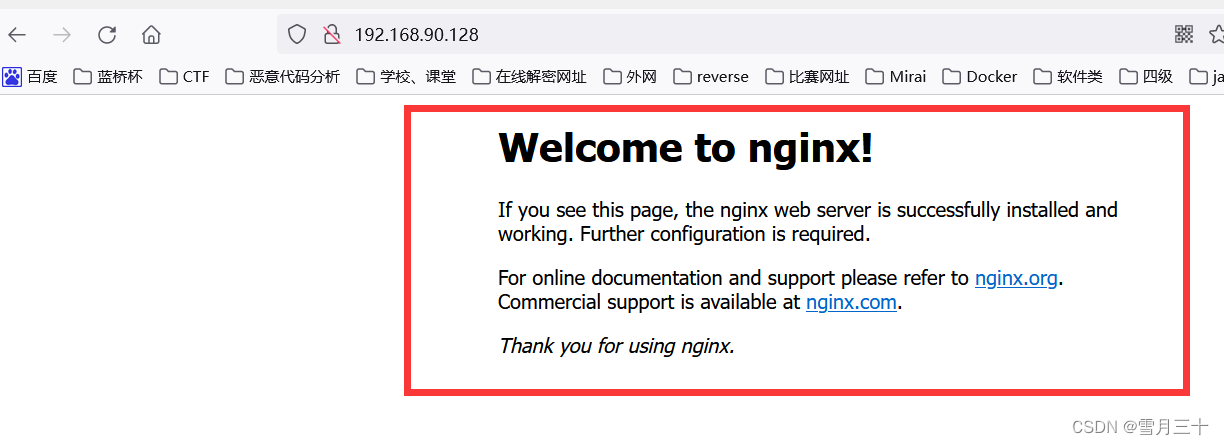
然后在网页上访问自己的IP就可以了默认端口为80(出现如下欢迎界面就成功了!)
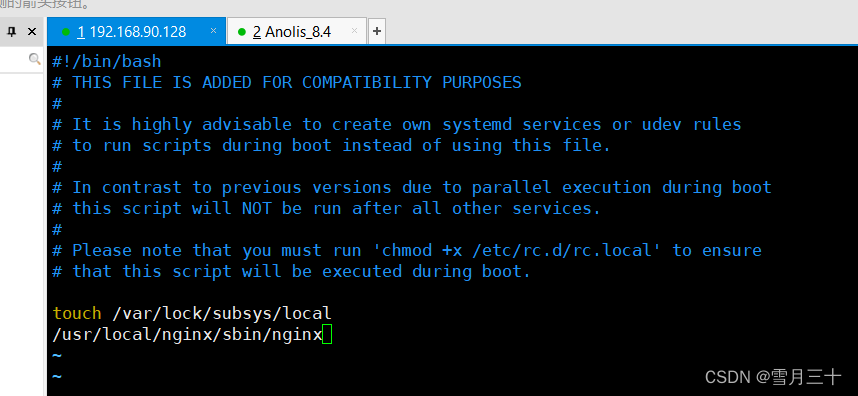
设置开启自启动
vim /etc/rc.local#最底部增加这一行
/usr/local/nginx/sbin/nginx
防火墙配置
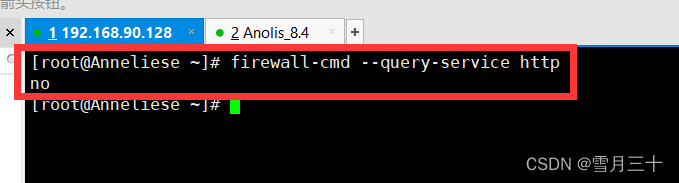
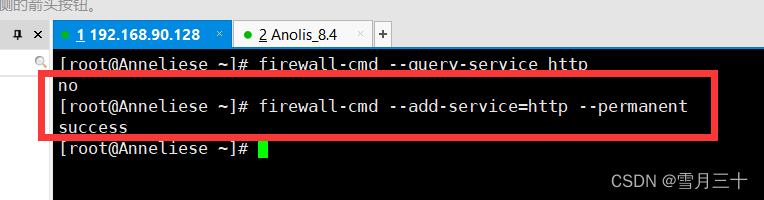
查看http服务是否开启
firewall-cmd --query-service http #返回yes或者no
永久开放http服务
firewall-cmd --add-service=http --permanent
重启防火墙
firewall-cmd --reload

验证是否生效
这里每个人ip地址不一样注意
虚拟站点的配置(基于不同端口号)
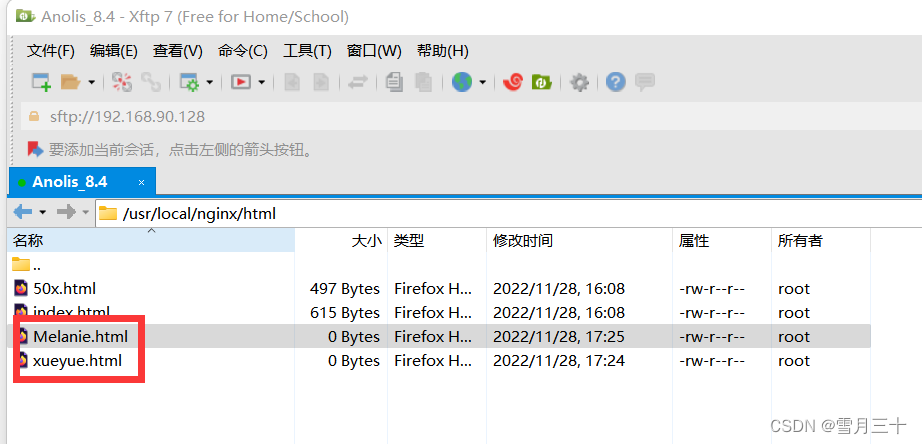
新建两个页面
填写自己想要的信息
在目录 /usr/local/nginx/html 创建两个html文件
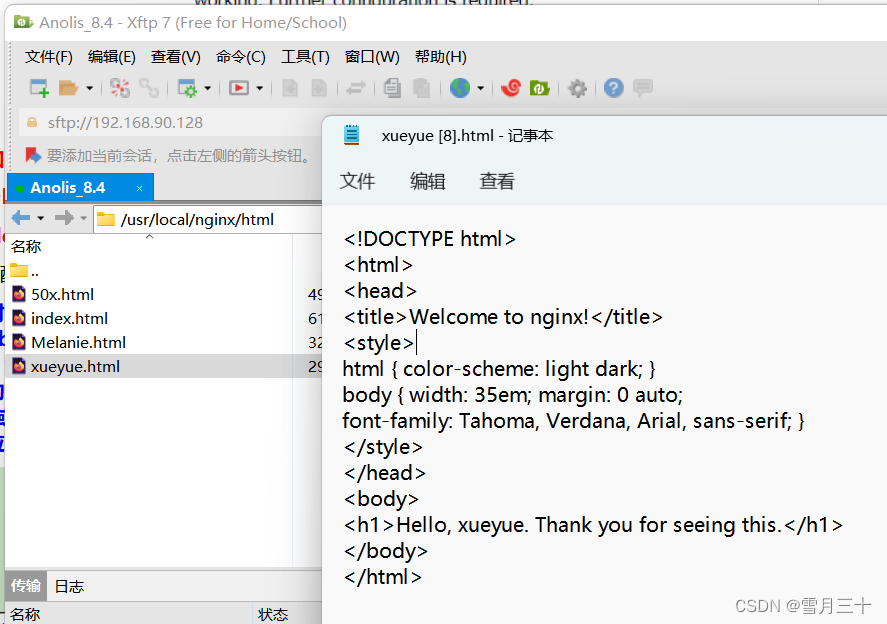
第一个页面
填写一下内容 当然也是要根据自己想填的信息来写
Welcome to nginx!
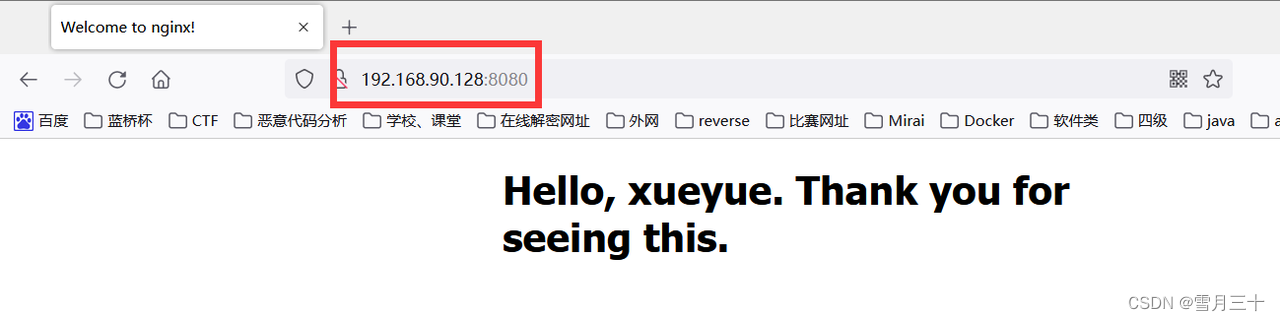
Hello, xueyue. Thank you for seeing this.
第二个页面
Welcome to nginx!
Hello, xueyue. Your student number is 2020101934. I miss you.
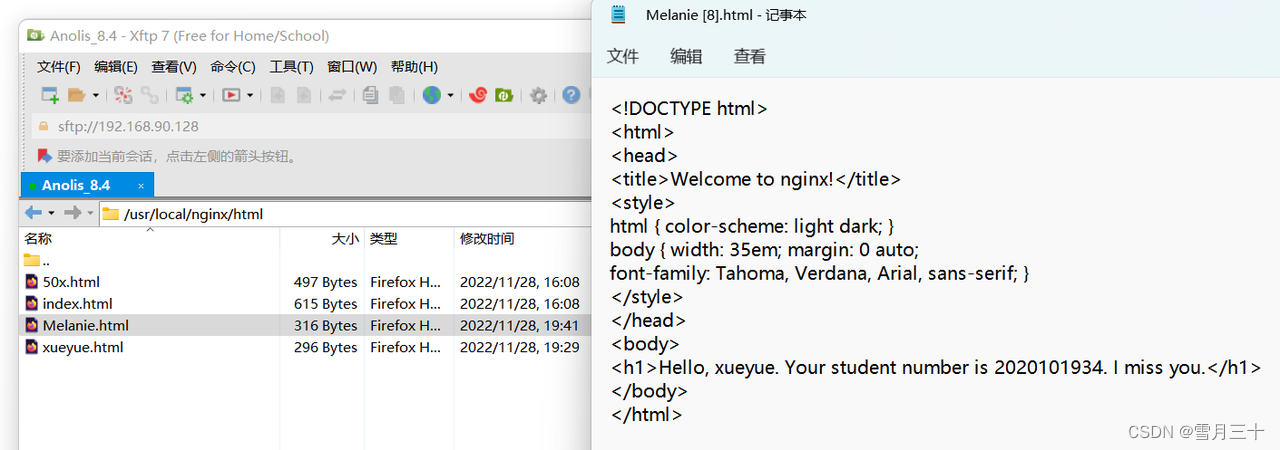
更改配置文件监听地址
vim /usr/local/nginx/conf/nginx.conf #vim使用不熟练也可以用 ftp进行更改
然后在合适的位置添加下面内容 内容里面的 index需要改成自己网页名称
server {listen       8080;server_name  Student;location / {root   html;index  xueyue.html xueyue.htm;}error_page   500 502 503 504  /50x.html;location = /50x.html {root   xueyue.html;}
}server {listen       9090;server_name  Student_Number;location / {root   html;index  Melanie.html Melanie.htm;}error_page   500 502 503 504  /50x.html;location = /50x.html {root   html;}
}
下面是我的配置文件 可以参考
#user  nobody;
worker_processes  1;#error_log  logs/error.log;
#error_log  logs/error.log  notice;
#error_log  logs/error.log  info;#pid        logs/nginx.pid;events {worker_connections  1024;
}http {include       mime.types;default_type  application/octet-stream;#log_format  main  '$remote_addr - $remote_user [$time_local] "$request" '#                  '$status $body_bytes_sent "$http_referer" '#                  '"$http_user_agent" "$http_x_forwarded_for"';#access_log  logs/access.log  main;sendfile        on;#tcp_nopush     on;#keepalive_timeout  0;keepalive_timeout  65;#gzip  on;server {listen       80;server_name  localhost;#charset koi8-r;#access_log  logs/host.access.log  main;location / {root   html;index  index.html index.htm;}#error_page  404              /404.html;# redirect server error pages to the static page /50x.html#error_page   500 502 503 504  /50x.html;location = /50x.html {root   html;}# proxy the PHP scripts to Apache listening on 127.0.0.1:80##location ~ \.php$ {#    proxy_pass   http://127.0.0.1;#}# pass the PHP scripts to FastCGI server listening on 127.0.0.1:9000##location ~ \.php$ {#    root           html;#    fastcgi_pass   127.0.0.1:9000;#    fastcgi_index  index.php;#    fastcgi_param  SCRIPT_FILENAME  /scripts$fastcgi_script_name;#    include        fastcgi_params;#}# deny access to .htaccess files, if Apache's document root# concurs with nginx's one##location ~ /\.ht {#    deny  all;#}}
server {listen       9090;server_name  localhost;location / {root   html;index  Melanie.html Melanie.htm;}error_page   500 502 503 504  /50x.html;location = /50x.html {root   html;}
}server {listen       8080;server_name  localhost;location / {root   html;index  xueyue.html xueyue.htm;}error_page   500 502 503 504  /50x.html;location = /50x.html {root   html;}
}# another virtual host using mix of IP-, name-, and port-based configuration##server {#    listen       8000;#    listen       somename:8080;#    server_name  somename  alias  another.alias;#    location / {#        root   html;#        index  index.html index.htm;#    }#}# HTTPS server##server {#    listen       443 ssl;#    server_name  localhost;#    ssl_certificate      cert.pem;#    ssl_certificate_key  cert.key;#    ssl_session_cache    shared:SSL:1m;#    ssl_session_timeout  5m;#    ssl_ciphers  HIGH:!aNULL:!MD5;#    ssl_prefer_server_ciphers  on;#    location / {#        root   html;#        index  index.html index.htm;#    }#}}
重载nginx
./nginx -s reload
防火墙开放端口号
sudo firewall-cmd --add-port=8080/tcp --permanent
sudo firewall-cmd --add-port=9090/tcp --permanent
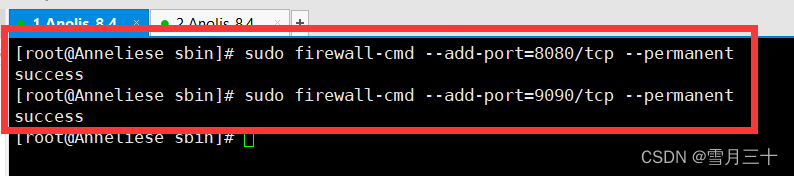
重启防火墙
firewall-cmd --reload

查看已开放的端口
firewall-cmd --list-all
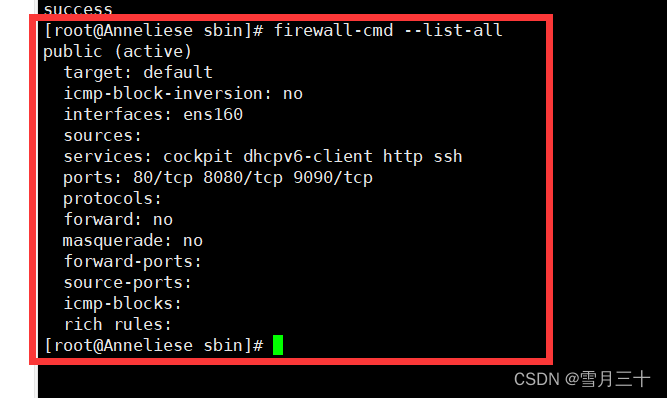
访问页面
http://192.168.90.128:8080/
http://192.168.90.128:9090/
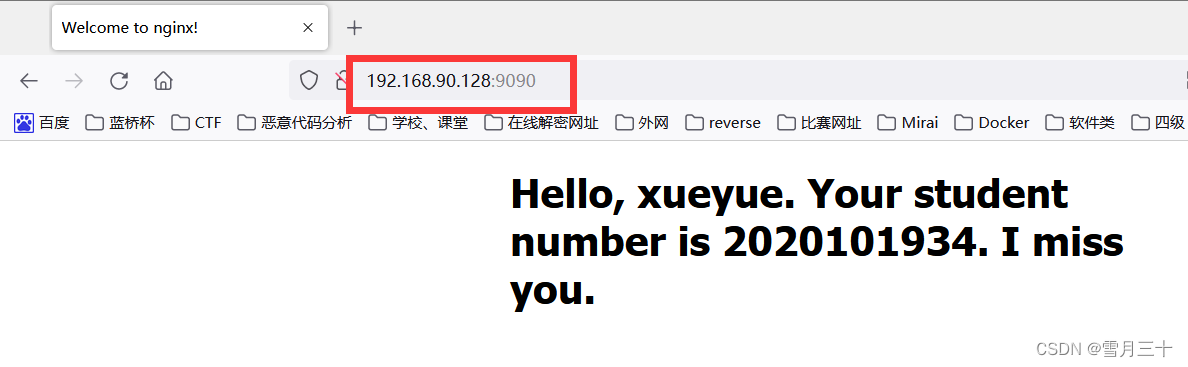
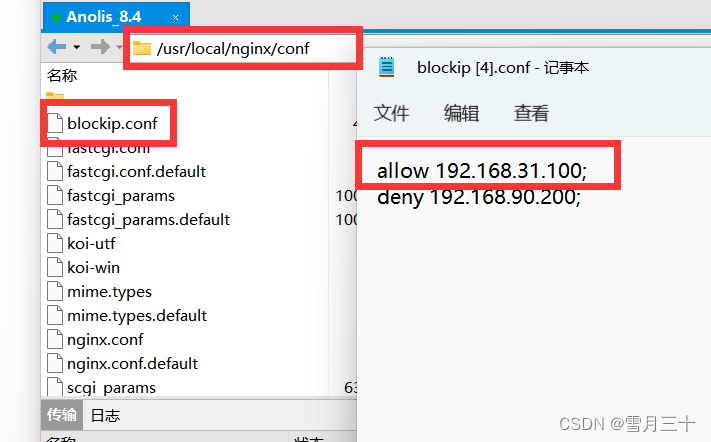
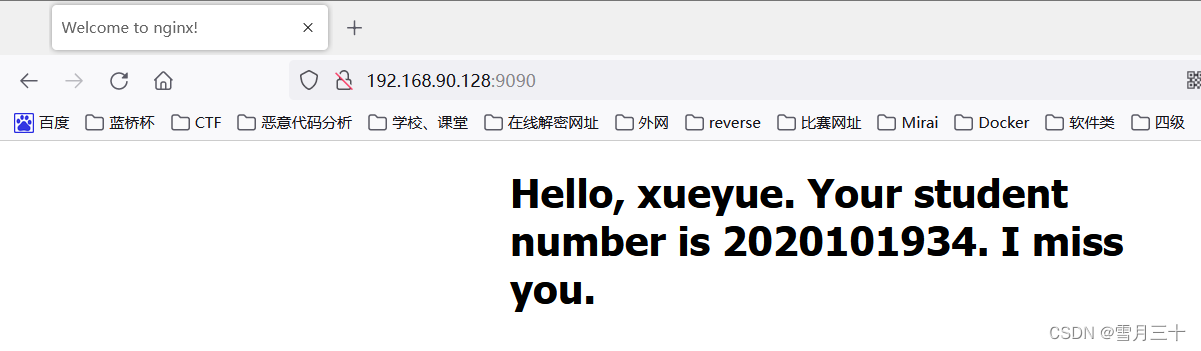
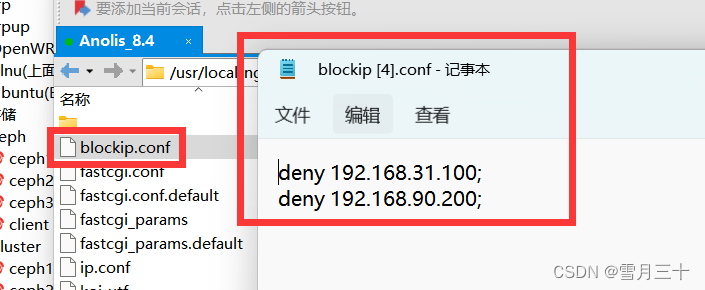
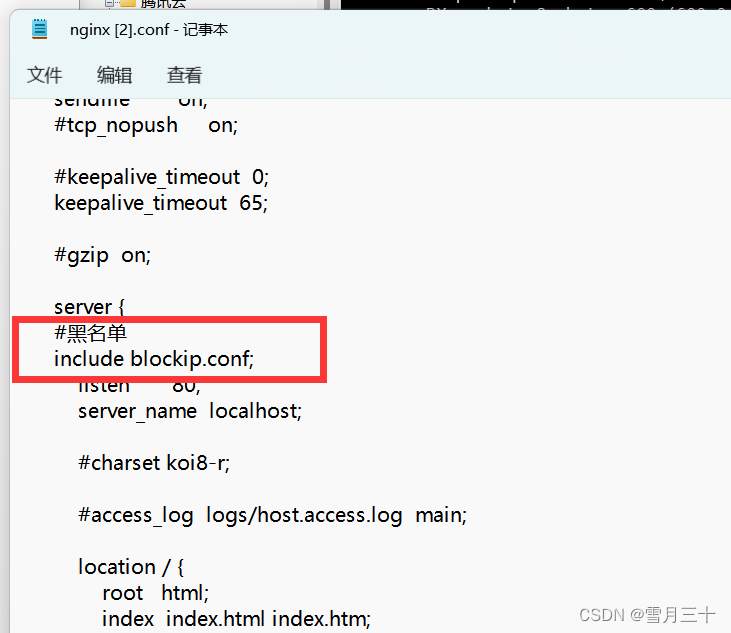
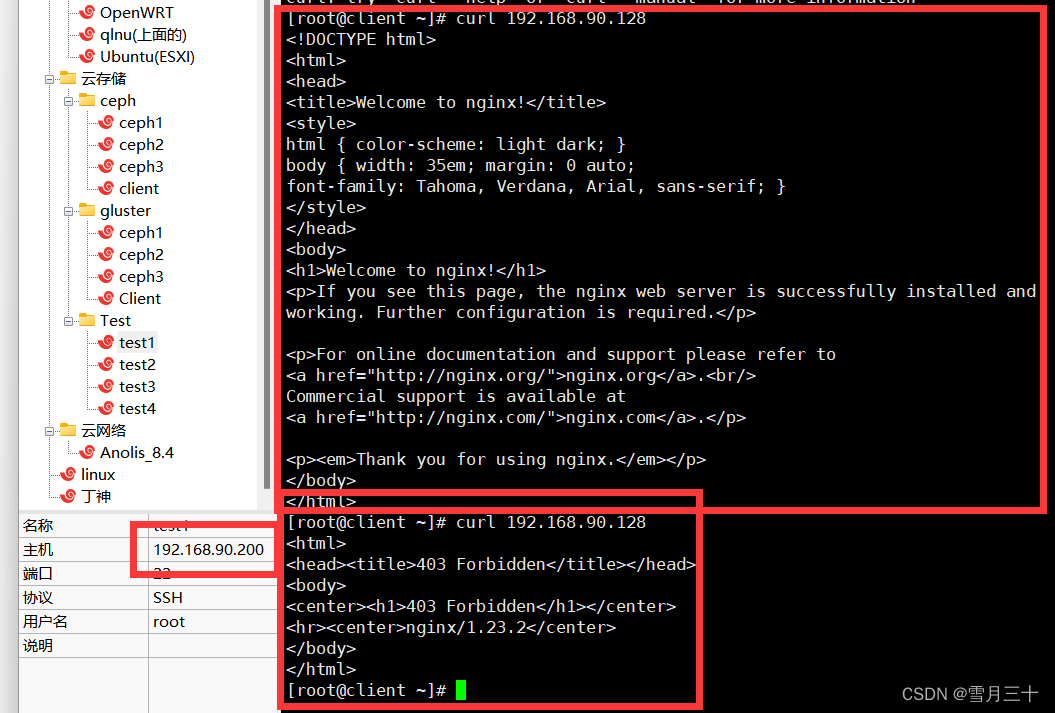
黑白名单
过于简单 不多说了
相关内容
热门资讯
苗族的传统节日 贵州苗族节日有...
【岜沙苗族芦笙节】岜沙,苗语叫“分送”,距从江县城7.5公里,是世界上最崇拜树木并以树为神的枪手部落...
北京的名胜古迹 北京最著名的景...
北京从元代开始,逐渐走上帝国首都的道路,先是成为大辽朝五大首都之一的南京城,随着金灭辽,金代从海陵王...
应用未安装解决办法 平板应用未...
---IT小技术,每天Get一个小技能!一、前言描述苹果IPad2居然不能安装怎么办?与此IPad不...
脚上的穴位图 脚面经络图对应的...
人体穴位作用图解大全更清晰直观的标注了各个人体穴位的作用,包括头部穴位图、胸部穴位图、背部穴位图、胳...
长白山自助游攻略 吉林长白山游...
昨天介绍了西坡的景点详细请看链接:一个人的旅行,据说能看到长白山天池全凭运气,您的运气如何?今日介绍...
猫咪吃了塑料袋怎么办 猫咪误食...
你知道吗?塑料袋放久了会长猫哦!要说猫咪对塑料袋的喜爱程度完完全全可以媲美纸箱家里只要一有塑料袋的响...
demo什么意思 demo版本...
618快到了,各位的小金库大概也在准备开闸放水了吧。没有小金库的,也该向老婆撒娇卖萌服个软了,一切只...
世界上最漂亮的人 世界上最漂亮...
此前在某网上,选出了全球265万颜值姣好的女性。从这些数量庞大的女性群体中,人们投票选出了心目中最美...
埃菲尔铁塔在哪 中国仿建埃菲尔...
2019年4月26日,广西南宁市,街头惊现一座巨型山寨版埃菲尔铁塔,高约20米,白色塔身,造型逼真,...
苗族的传统节日 贵州苗族节日有...
【岜沙苗族芦笙节】岜沙,苗语叫“分送”,距从江县城7.5公里,是世界上最崇拜树木并以树为神的枪手部落...
北京的名胜古迹 北京最著名的景...
北京从元代开始,逐渐走上帝国首都的道路,先是成为大辽朝五大首都之一的南京城,随着金灭辽,金代从海陵王...
应用未安装解决办法 平板应用未...
---IT小技术,每天Get一个小技能!一、前言描述苹果IPad2居然不能安装怎么办?与此IPad不...
脚上的穴位图 脚面经络图对应的...
人体穴位作用图解大全更清晰直观的标注了各个人体穴位的作用,包括头部穴位图、胸部穴位图、背部穴位图、胳...
长白山自助游攻略 吉林长白山游...
昨天介绍了西坡的景点详细请看链接:一个人的旅行,据说能看到长白山天池全凭运气,您的运气如何?今日介绍...