

Allure:根据step动态设置description
背景
使用pytest+Allure进行自动化的时候,为了报告展示更明确会使用
with allure.step(xxx)
和
@allure.step(xxx)
测试结束后就可以看到
测试步骤
Allure还支持配置Description
之前直接在case中编写,例如
"""
[用例描述]: 专家问诊
[前置步骤]:1. 打开h5页面2. 完成登录
[测试步骤]:1. 点击问诊后搜索 测试医生数据2. 点击图文/电话/视频类型问诊3. 输入病情描述,选择患者4. 跳转至支付页面5. 取消订单
[编写人员]: zhongxin
"""
优点
-
内容清晰,由人工编写与确认
缺点
-
更新脚本后可能忘记同步更新
-
没有具体到每一步操作
新方案
新的方案采用读取执行过程中记录的step数据来展示Description
优点
-
根据脚本实时更新
-
具体到每一步的详细操作
缺点
-
具体程度需要根据
allure.step的编写情况决定 -
执行失败后的步骤不会记录
-
不能记录后置操作
效果

效果
具体编码
在使用allure.step()的时候
使用的是
def __enter__(self):plugin_manager.hook.start_step(uuid=self.uuid, title=self.title, params=self.params)
其中start_step是
@allure_commons.hookimpldef start_step(self, uuid, title, params):parameters = [Parameter(name=name, value=value) for name, value in params.items()]step = TestStepResult(name=title, start=now(), parameters=parameters)self.allure_logger.start_step(None, uuid, step)
def start_step(self, parent_uuid, uuid, step):parent_uuid = parent_uuid if parent_uuid else self._last_executable()if parent_uuid is None:self._orphan_items.append(uuid)else:self._items[parent_uuid].steps.append(step)self._items[uuid] = step
所以最终每个步骤都被存到了self._items里面
self._items = ThreadContextItems()
找到allure_commons.reporter.ThreadContextItems
在conftest.py中编写一个函数来获取这个内容
import allure_commonsallure_commons.reporter.ThreadContextItems._thread_context.items()
然后将里面的内容解析出来
@pytest.fixture(autouse=True)
def case_end():yieldfor k, v in allure_commons.reporter.ThreadContextItems._thread_context.items():for k1, v1 in v.items():befores = hasattr(v1, 'befores') and getattr(v1, 'befores') or []steps = hasattr(v1, 'steps') and getattr(v1, 'steps') or []for i in befores:get_steps(i, base_name='前置', exclude=["_session_faker"])for i in steps:get_steps(i, base_name='\tcase')
-
@pytest.fixture(autouse=True):每次case执行前后自动执行 -
第一行就是
yield说明函数后面都是后置操作,在case执行结束之后才会去收集step信息
编写get_steps
因为step里面有嵌套,所以使用嵌套函数去逐步解析步骤内容
global namesdescription = []names = []def get_steps(data, base_name, exclude=None):if exclude is None:exclude = []global namesname = getattr(data, 'name')steps = getattr(data, 'steps')if name and name not in exclude:names.append(name)if not steps and name:names_text = ""for index, j in enumerate(names):if index == 0:names_text += f"{j}"else:if index == 1:names_text += ""names_text += f"- {j}
"if index == len(names) - 1:names_text += "
"if names_text:description.append(f"「{base_name}」{names_text}
")names = []returnif steps:if steps:for i in steps:get_steps(i, base_name, exclude)
动态设置description
因为拿到的内容有很多重复,所以使用set进行去重,然后根据原列表的排序方式进行排序
description_set = list(set(description))description_set.sort(key=description.index)description_text = "".join(description_set)description_text = f'{description_text} 完整代码
@pytest.fixture(autouse=True)
def case_end():yieldglobal namesdescription = []names = []def get_steps(data, base_name, exclude=None):if exclude is None:exclude = []global namesname = getattr(data, 'name')steps = getattr(data, 'steps')if name and name not in exclude:names.append(name)if not steps and name:names_text = ""for index, j in enumerate(names):if index == 0:names_text += f"{j}"else:if index == 1:names_text += ""names_text += f"- {j}
"if index == len(names) - 1:names_text += "
"if names_text:description.append(f"「{base_name}」{names_text}
")names = []returnif steps:if steps:for i in steps:get_steps(i, base_name, exclude)for k, v in allure_commons.reporter.ThreadContextItems._thread_context.items():for k1, v1 in v.items():befores = hasattr(v1, 'befores') and getattr(v1, 'befores') or []steps = hasattr(v1, 'steps') and getattr(v1, 'steps') or []for i in befores:get_steps(i, base_name='前置', exclude=["_session_faker"])for i in steps:get_steps(i, base_name='\tcase')description_set = list(set(description))description_set.sort(key=description.index)description_text = "".join(description_set)description_text = f'{description_text} 资源分享
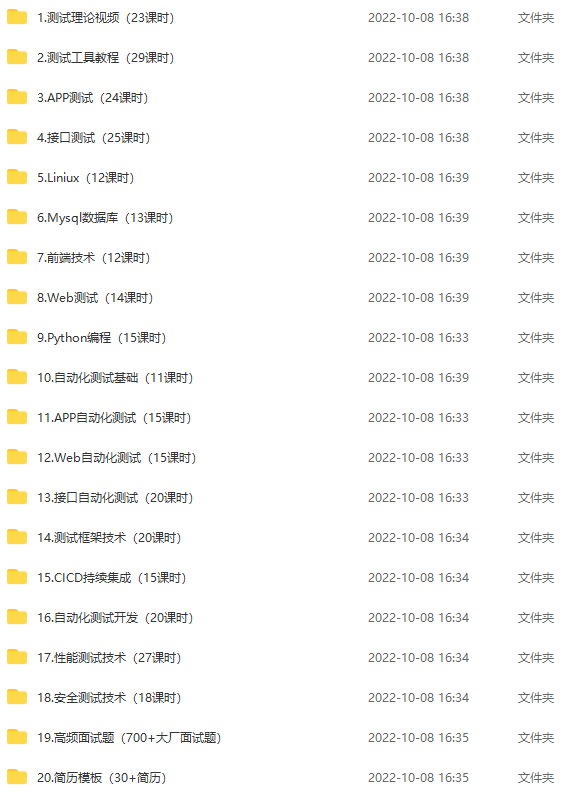
下方这份完整的软件测试视频学习教程已经上传CSDN官方认证的二维码,朋友们如果需要可以自行免费领取 【保证100%免费】

上一篇:计算机网络——数据链路层
下一篇:计算机网络:数据链路层